Veteran healthcare pathways explained
The ADF has battalions, squadrons, brigades, wings – and somehow that all made sense once you were inside it. Civilian healthcare can feel similarly complicated from the outside, with its different providers, plans and funding streams. The difference is, nobody runs you through an induction and you’re usually trying to work your way through the system while managing debilitating physical or mental health conditions.
Do you need a GP referral before you can see a psychologist? Is your condition covered by DVA? Can you book directly, or does someone need to screen you first? The lack of clarity creates a barrier that puts many people off accessing care.
This article breaks down the main veteran healthcare pathways, explains what each one is trying to achieve, and shows how coordinated care can make the whole process simpler for veterans, their families, and the people who support them.
Why veteran healthcare feels complicated
The civilian healthcare system wasn’t built with military service in mind. It may miss the way service can shape physical and mental reactions, the culture of pushing through, and the weight of traumatic experiences or moral conflicts.
For many veterans, particularly those who’ve left a tight-knit unit and found themselves navigating civilian life without the same structure or camaraderie, healthcare can feel like yet another system that doesn’t quite fit. And that can make it hard to stay engaged with care, no matter how much you need it.
Veteran-specific healthcare addresses this directly, offering a comprehensive network of service-informed providers who understand your context as well as your clinical needs.
The main veteran healthcare pathways
Like any good operational structure, veteran healthcare works best when you know which element does what.
Veteran general practice
General practice is widely regarded as the gateway to the healthcare system and, for most veterans, a GP is the right starting point.
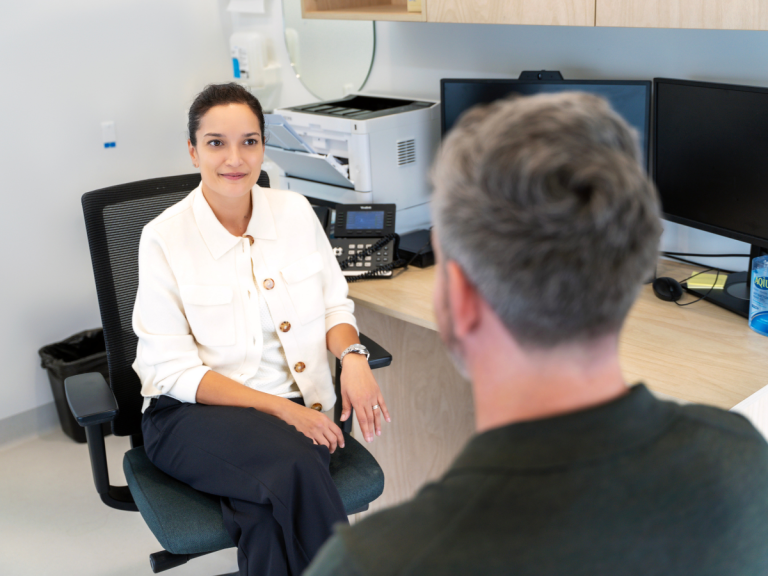
Other providers may be involved in your care, but your veteran-informed GP holds the full picture. They listen to you, identify your care needs, manage aspects of your physical or mental health and refer you to specific professionals with in-depth experience where needed. They’re across your service history, DVA entitlements and how it’s going at home.
A service-aware GP can:
- Initiate DVA-funded referrals
- Prepare DVA claim medical reports
- Coordinate your care plan
- Be your advocate within a broader health system.
If in doubt, book an appointment with a Total Veteran Healthcare GP.
Mental health care
Mental health conditions are among the most common reasons veterans seek care – yet we know many more need help but don’t come forward. The Royal Commission into Defence and Veteran Suicide has highlighted the need for healthcare that better understands service life, transition, trauma, moral injury and the barriers veterans face when seeking help.
For many veterans, asking for support is not straightforward. Defence culture often rewards endurance, control and pushing through. Those strengths can help people survive demanding environments, but can also make it harder to recognise distress or explain it to a civilian provider who does not understand operational pressure, chain of command, hypervigilance, grief, guilt or the loss of identity after service.
Veteran mental health care seeks to help people dealing with conditions like PTSD, depression, anxiety, substance use, eating disorders, suicidality or moral injury. Treatment may include psychology (including EMDR), psychiatry, transcranial magnetic stimulation (often for PTSD) and, for some presentations, more intensive outpatient or inpatient treatment. We also offer innovative treatments for patients whose symptoms persist.
To access this service, you usually begin with your GP, who may create a Mental Health Treatment Plan. If you’re eligible, that can help you access DVA funding for psychology sessions. Your GP may also refer you to a psychiatrist if necessary. All this can be done within the Total Veteran Healthcare ecosystem.
If you are wondering whether what you’re experiencing is “serious enough” to ask for help, it is. You do not need to wait until things become unmanageable. This pathway exists because veterans deserve care that recognises both the person and the service behind the symptoms.
Pain management
Chronic pain is three times more common among veterans than in the general population, making it one of the highest-priority needs in veteran healthcare.
For many veterans, pain is not the result of one simple injury. It is often much more complex and may be linked to trauma and mental health conditions. It can reflect years of physical training, load carrying, repetitive strain, musculoskeletal injury and the long-term wear of operational service. It can also overlap with poor sleep, low mood, PTSD, reduced mobility and the instinct to keep going until the body forces you to stop.
Veterans need a comprehensive approach to chronic pain that delivers far more than a prescription. A well-coordinated pathway may include GP assessment, medication review, physiotherapy, occupational therapy, exercise physiology, psychology and, where appropriate, referral to a pain management program.
Life after service
Some veterans experience their hardest moments on deployment. For others, though, the toughest time might be 6 months after they’ve handed in their uniform.
Transition out of the ADF is a significant life event, and for many veterans, it’s a period of real vulnerability. The loss of structure, identity, purpose and peer connection can affect mental health, relationships and physical wellbeing simultaneously.
The Life After Service pathway supports veterans through this transition through:
- Help with DVA claims
- Guidance on employment and education
- Social connections
- Home services
- Housing support
- Financial support
- Crisis care where needed.
We even offer equine therapy – horses have an amazing way of helping people slow down, be present in the moment and build trust. And you may appreciate being outdoors rather than in yet another appointment!
How care is coordinated and why it matters
Veterans are often managing multiple physical and mental health concerns that overlap, interact and intensify one another.
These issues should not be managed in isolation by different, unrelated providers. A strong care pathway brings your GP, allied health providers, mental health team and medical practitioners together, and helps you access the relevant DVA entitlements.
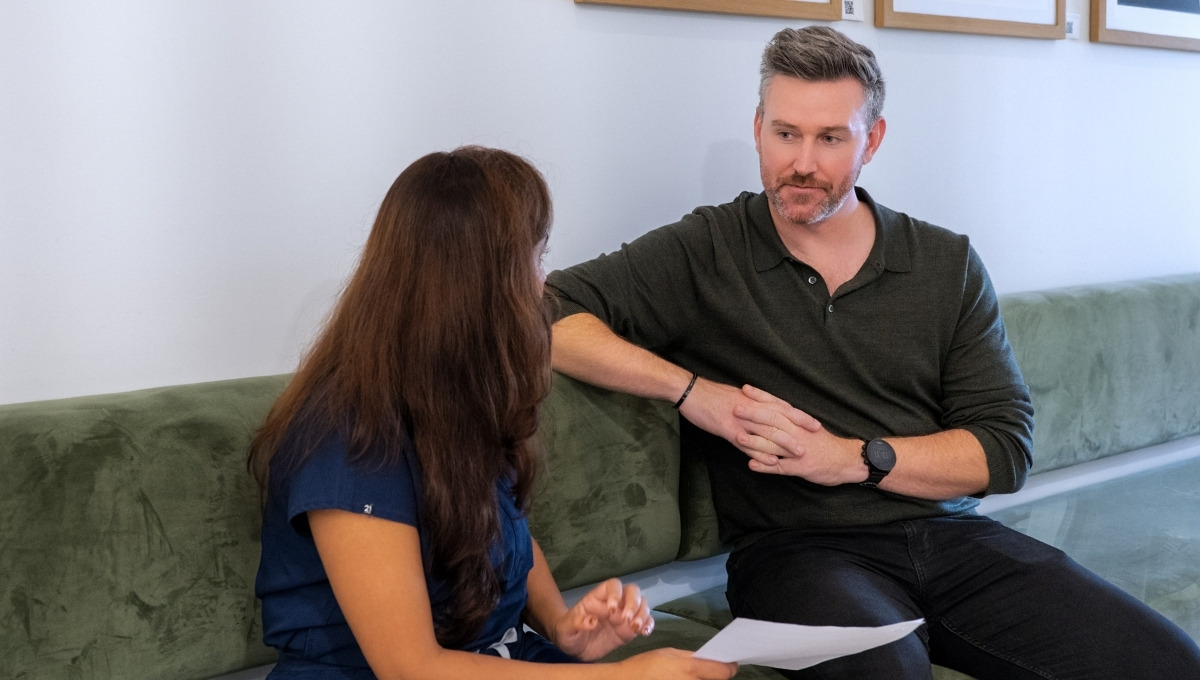
Coordinated care means you don’t repeat your story to every new clinician. Your GP holds your history, communicates with your wider treatment team, and adjusts your plan as your needs change.
For veterans who’ve spent years operating in coordinated teams, this model makes sense. It should be the standard, not the exception.
What happens when you contact Total Veteran Healthcare?
We’ve worked with enough veterans to know that getting started is often the biggest barrier, so we’ve tried to make the process as easy as possible.
- Onboarding: To get started, all you need to do is complete our online form or call us on 07 3523 3991. You don’t need to have a diagnosis, a referral, or a clear sense of what you need – just get in touch, and we’ll do the rest.
- Screening and triage: Our onboarding team reviews your information and identifies the kind of support you might need.
- Concierge call: We call you to discuss your needs, answer questions and book your first appointment, usually with one of our service-aware GPs. Most patients are seen within two weeks of completing onboarding.
- Your first appointment: You turn up for your appointment in person or online, depending on what you’ve arranged. You tell your story once and we take it from there.
For families and carers
Veteran healthcare pathways matter beyond the veteran themselves. Families and partners are often the first to notice when something isn’t right – and frequently the ones researching on someone else’s behalf.
If you’re supporting a veteran and looking for a place to start, you’re in the right place. The same process applies: reach out, and our team will help identify the right pathway for your person.
Referring a patient to Total Veteran Healthcare
Veterans easily slip through the gaps in the healthcare system. Total Veteran Healthcare is built differently to ensure that each veteran receives carefully considered, coordinated care.
We welcome referrals across all care pathways. Simply email hello@totalveteranhealthcare.com. Once we receive the referral, our intake team contacts the veteran directly, and your patient is connected to coordinated care.
Ready to find your pathway?
Veteran healthcare shouldn’t feel like another system to fight. At Total Veteran Healthcare, our job is to make the first step easier and every step after that clearer.
Frequently asked questions