
Pain, mental health, and wellbeing in veterans: when to seek support
Pain’s a physical problem, right? And depression’s a mental one. Two separate, unrelated issues…if only it were that simple!
At Total Veteran Healthcare, we recognise that health issues don’t exist in isolation: physical health influences mental health and vice versa. Our coordinated care model is designed to support the whole person, recognising the complex physical, psychological and social factors that can affect veterans during and after service.
Understanding the connection between pain and mental health
Many veterans live with a combination of physical injuries, persistent pain, disrupted sleep, stress, anxiety, trauma-related symptoms, or mood changes. These experiences can influence one another in ways that are not always obvious at first.
Persistent pain hurts and can make it hard to work, exercise or see family and friends. It’s not surprising, then, that rates of depression, anxiety, sleep disturbance and fatigue are higher among chronic pain patients. A Yale University literature review noted that depression typically affects 5% of the general population, but 30-45% of those with chronic pain.
But it goes deeper than that, as brain anatomy shows. The mental and physical experience of pain is generated by interactions between the brain region that interprets sensations such as touch and other regions that regulate emotions and stress responses. Pain is a genuine and complex health experience involving interactions between the body, nervous system, emotions and environment.
Service-related injuries, operational demands, sleep disruption, transition challenges and trauma exposure can all contribute to a cycle where pain affects mental wellbeing, and mental health challenges affect pain.
Recognising this connection allows care to focus on the whole person rather than a single symptom.
Signs it may be time to seek support
Many veterans are accustomed to pushing through discomfort and getting on with the task at hand. While resilience can be a valuable strength, it may also make it harder for you to recognise the need for help or accept it when it’s offered.
Don’t wait until you’re in crisis. Seek help now if you:
- Have persistent pain after an injury or illness
- Find it hard to sleep or feel rested
- Are increasingly irritated, frustrated, or emotionally reactive
- Have low mood, anxiety or persistent feelings of stress
- Are hypervigilant or constantly on alert
- Are withdrawing from family, friends or social activities
- Are losing interest in exercise or hobbies
- Have difficulty concentrating or completing everyday tasks
- Can’t maintain your usual workload or get through your daily routines
- Feel less in control of day-to-day life.
Why veteran-centred care matters
Veterans often bring layered and interconnected needs into healthcare settings. A single appointment may touch on physical injury, persistent pain, sleep difficulties, mental health concerns, social pressures, DVA processes and the adjustment from military to civilian life.
Veteran-centred care acknowledges this complexity without making assumptions. Trauma-aware care creates space for you to move at your own pace, discuss what matters to you, and work towards meaningful goals. Properly coordinated veteran care also means you don’t have to repeat your story to every new provider you see.
A multidisciplinary approach to pain and wellbeing
When pain, mental health and wellbeing concerns overlap, no single clinician or treatment can address every dimension of a person’s health. Multidisciplinary pain management brings together the right mix of support at the right time. Depending on your circumstances, this may include:
- Veteran-informed GP care
- Mental health assessment and treatment
- Allied health services, including physiotherapy, exercise physiology or occupational therapy
- Functional rehabilitation
- Pain education and self-management strategies
- Sleep support and lifestyle interventions
- Care coordination across providers
- Help navigating DVA support services.
At Total Veteran Healthcare, veterans access care through a single entry point. From there, we coordinate support across a broader network of services based on your needs.
Care as an ongoing partnership
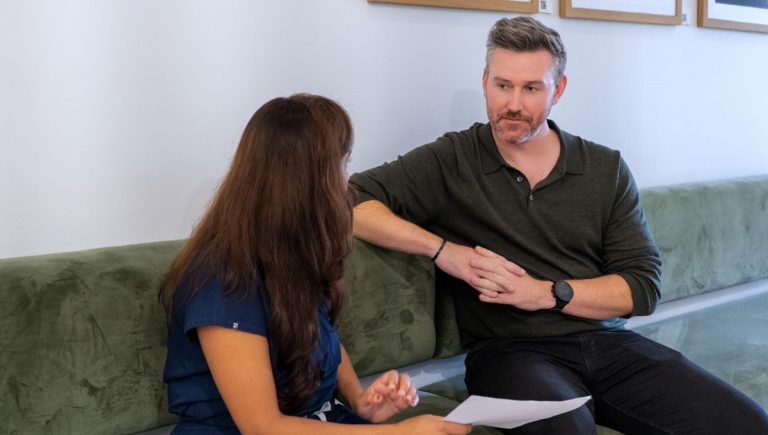
Partnership-based care means you are actively involved in your care. Service-informed clinicians offer guidance and comprehensive treatment options, while you bring your lived experience, priorities and goals.
Recovery is rarely a nice straight line, making it important to revisit goals and adjust strategies. Progress tends to build gradually through a combination of clinical input, learning to understand your own patterns and staying connected to your treatment team.
Taking the next step
If pain, low mood, poor sleep, stress or other health concerns are affecting your daily life, then reach out to our veteran support services.
Total Veteran Healthcare can connect you to chronic pain support, veteran mental health services, and trauma-informed care for veterans. It’s all there, ready and waiting, as soon as you get in touch.
All you need to do is contact us and we’ll help you from there.