Recognising PTSD in veterans
You’re in a shopping centre, and something sets you off, perhaps a particular sound or smell, or a sudden movement in the crowd of shoppers. Your body reacts before your mind can think rationally. Your chest tightens. The floor seems to tilt. The nausea rises.
Or perhaps, for you – a persistent flatness, chronically bad sleep, things you just can’t talk about. Sudden bursts of temper that scare those around you?
As a veteran, you’ve endured a lot. Some of those experiences can trigger post-traumatic stress disorder or PTSD.
If you’re in crisis, call Lifeline 13 11 14 or Open Arms 1800 011 046. Both are available 24/7.
What is PTSD?
Post-traumatic stress disorder (PTSD) is a mental health condition that can develop after experiencing or witnessing a traumatic event or a series of events over time. It affects the way the brain and body process threat, memory and safety. It affects 5-10% of the general community, but 5-20% of veterans.
For veterans, PTSD may be linked to combat exposure, operational incidents, workplace accidents, sexual assault, moral injury, or the cumulative weight of repeated traumatic exposure over a service career. It can emerge shortly after an event or surface months or years later. Indeed, the transition from the ADF to civilian life may be a high-risk period for the development of mental health conditions.
Over 50% of Australian veterans experience a diagnosable mental health or substance use disorder after service, and nearly 25% meet the criteria for PTSD.
PTSD is not a sign of weakness. It is a recognised clinical condition, and there are evidence-based treatments available to help you.
How PTSD may show up
PTSD presents differently in different people, and trauma symptoms don’t always look the way they’re depicted in films or described in clinical checklists.
Here are the most common ways PTSD symptoms appear in everyday life:
- Intrusive memories and heightened alertness: Flashbacks, unwanted memories, distressing dreams, or hypervigilance (a persistent sense of being on alert, scanning environments for threat, or reacting strongly to sounds, movement or unexpected situations).
- Sleep disruption: Difficulty falling asleep, staying asleep, or waking from nightmares. Sleep problems can compound other symptoms – affecting mood, concentration and pain tolerance – and are often one of the first signs that something needs attention.
- Irritability or emotional numbing: PTSD makes some people more reactive – quicker to anger, frustration or distress. It makes others feel emotionally flat or disconnected, unable to access their feelings anymore.
- Avoidance: Avoiding places, people, conversations or activities linked to traumatic memories. Staying busy, withdrawing socially, or avoiding any situation that feels unpredictable or hard to control. Avoidance often reduces distress in the short term, but tends to reinforce symptoms over time.
- Concentration and functioning: Difficulty concentrating, memory problems, not feeling as sharp as you used to, and being less able to manage work or daily tasks. This can be frustrating because it’s not obviously connected to trauma, so you may not realise it’s PTSD.
- Strain on relationships, work and daily life: Withdrawing from family, difficulty sustaining relationships, reduced performance at work, or a growing sense that life has narrowed.
Veteran-specific context
Several factors can shape how PTSD presents in veterans and when support is sought.
Many veterans experience cumulative trauma exposure across their service, rather than one isolated event. Symptoms may also appear or intensify after transition, when the structure, identity and pace of service are lost. And some deeply ingrained beliefs about mental toughness and self-reliance may make it harder to accept the need for help.
When to consider seeking support
There is no threshold you need to reach before seeking help. In fact, we often wish more people came sooner!
That said, it is certainly worth coming forward for help if:
- Symptoms have persisted for more than a few weeks and don’t appear to be easing
- Symptoms are worsening, or feel harder to manage than they did
- Sleep, relationships, work or daily functioning are being affected
- You’re using alcohol or other substances to manage how you feel
- People close to you have expressed concern
- You’ve noticed yourself withdrawing from things that used to matter
If any of these feel familiar, please come to see us. It doesn’t need to be a crisis before it counts.
A quick check-in
Not sure if it’s PTSD? The Thompson Institute’s National PTSD Research Centre offers a validated online screening tool. It’s not a diagnosis – but it can be a useful starting point if you’re wondering whether your symptoms could be PTSD.
What support may involve
PTSD support looks different for everyone. For many veterans, a GP is the first step, helping you understand what’s happening and what support may suit you.
A service-aware GP may then refer you to a psychologist or psychiatrist. Treatment may include trauma-focused therapy, medication, transcranial magnetic stimulation, or more intensive outpatient or inpatient care. If PTSD is occurring alongside chronic pain, it is often helpful to treat them both.
You don’t need to have it figured out
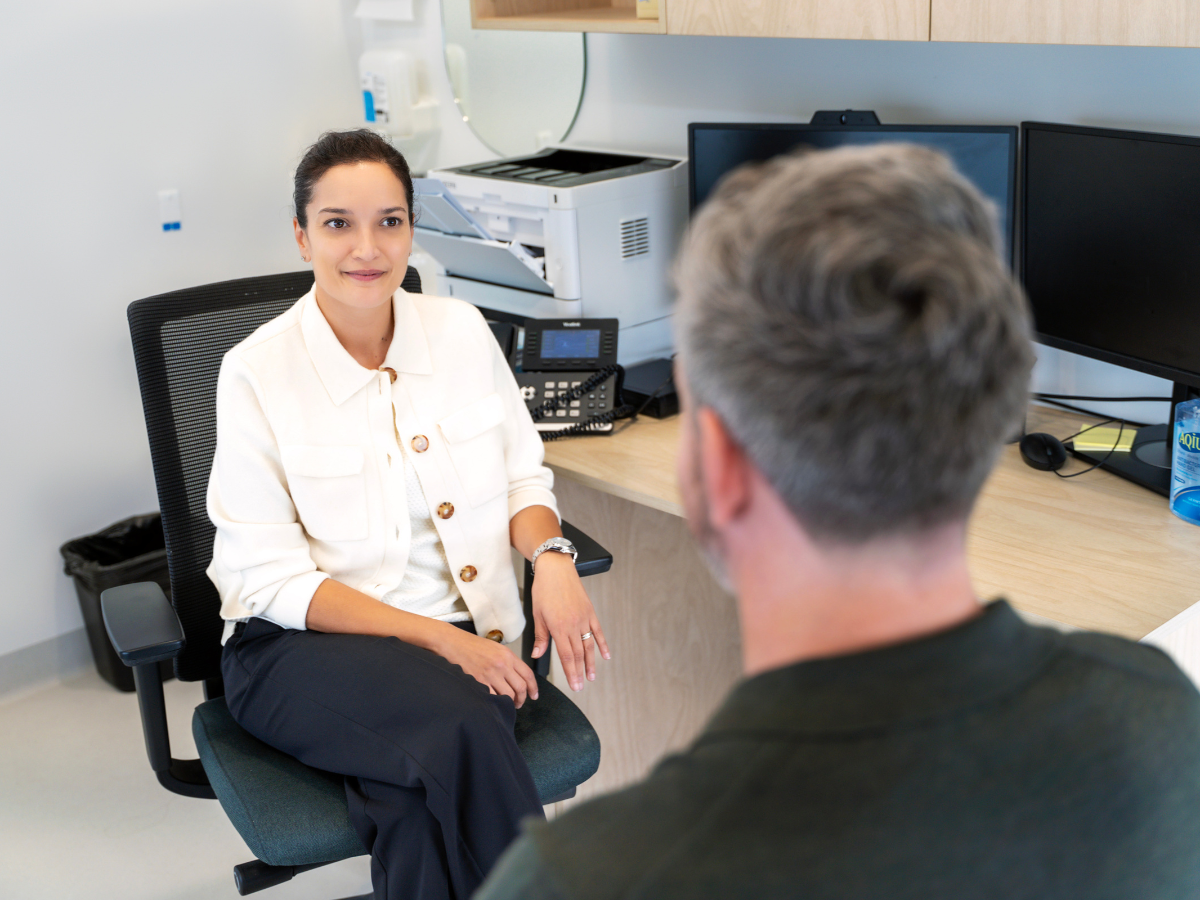
You don’t need a diagnosis, a clear story, or certainty about what you need before reaching out. A service-aware GP can help you make sense of what’s happening and guide the next step.
Book an appointment with a Total Veteran Healthcare GP today, either in person or through telehealth. You only have to tell your story once. We take it from there.